Define the Charlotte building's surface problem first
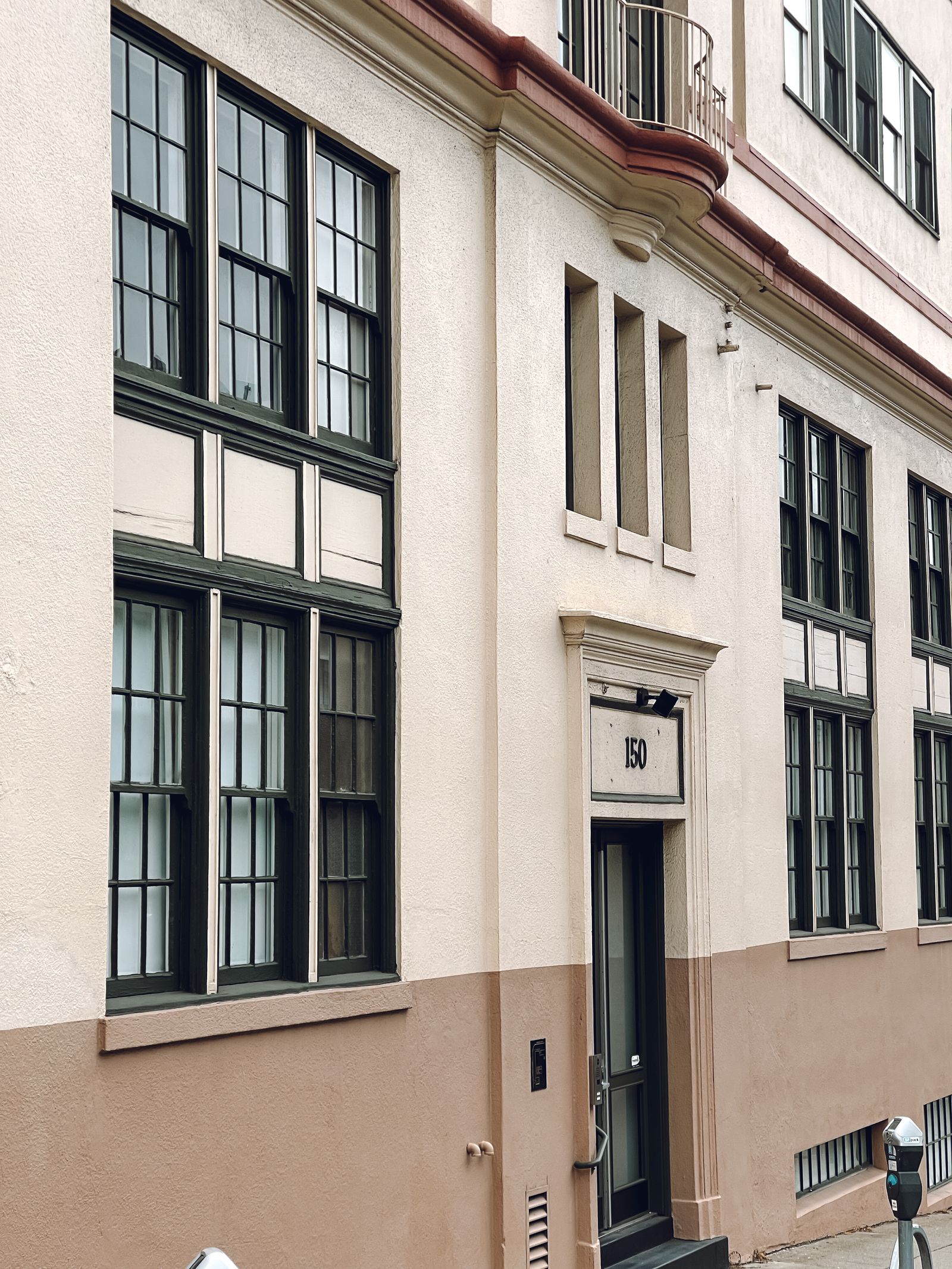
Charlotte exteriors may combine brick, painted masonry, cast stone, precast, EIFS, stucco, metal panels, glass, sealants, and entrance canopies. Spring pollen, shade, humidity, tree cover, construction dust, and traffic exposure can create a film that looks uniform from the parking lot but behaves differently across each material. Before chemistry is selected, the team should review the facade, coating condition, joints, openings, drains, signs, and prior repairs. A representative test area is useful when a surface has an unknown coating or when the property team wants a specific appearance standard.
Soft washing can be effective for compatible surface growth and loose film, but it should not be sold as a universal stain remover. Rust, efflorescence, hard-water deposits, paint, adhesive, silicone, oxidation, and damaged coatings may need contact work, specialty treatment, restoration, or referral. More pressure is not automatically a better answer. The written scope should define included elevations, exclusions, test areas, finish expectations, and the areas that need a lift, pole, hand detail, or a different contractor.
- Identify brick, masonry, coatings, EIFS, glass, sealants, vents, and repairs.
- Distinguish removable soil from staining, weathering, and facade distress.
- Test uncertain materials before expanding chemistry or water exposure.
- Make direct-access and restoration exclusions visible in the quote.
Read Uptown, South End, and suburban campuses as different work zones
Charlotte's commercial geography creates different ground-control problems within a short drive. An Uptown property may need to protect sidewalks, transit movement, office entrances, deliveries, and adjacent construction. South End sites can combine apartments, restaurants, pedestrians, rail-adjacent movement, and constrained loading. Ballantyne and University City campuses may provide more staging area while introducing parking circulation, landscaping, and multiple occupied entrances. A property near an arterial can have a wide facade but no safe place to route hoses or recover equipment during peak traffic.
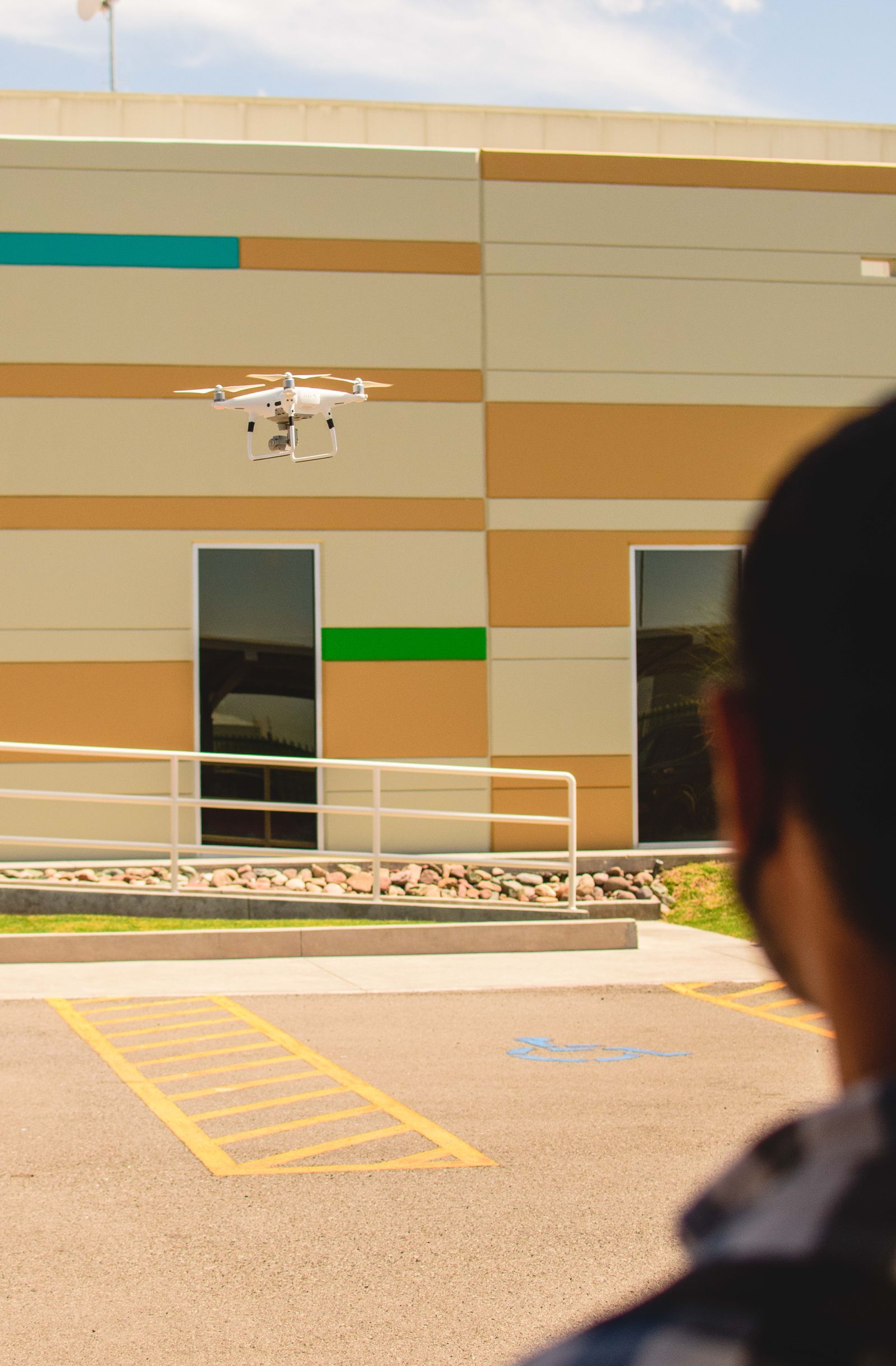
A neighborhood name helps organize the service area but does not establish that every elevation is feasible. The plan should preserve accessible paths, fire lanes, emergency access, tenant doors, loading movement, and existing barriers. Where an aerial method is considered, the crew still needs a controlled launch or staging area, clear visibility, safe recovery, and a way to protect people and property below. A private courtyard may be workable while a public-facing wall at the same address requires a different method or a lower-traffic schedule.
Build stormwater and weather controls into the quote
Charlotte weather can move from a favorable morning to rain, gusts, or wet pavement during the proposed window. Wind around corners and taller buildings can change the control of a remote application, while rain can alter chemistry dwell, drying, pedestrian safety, and runoff. The plan should establish conservative limits, active monitoring, and a clear pause decision. The property should understand that the date is subject to a safe operating window and that a reschedule can be the correct result when control or finish would be compromised.
Water and runoff should be mapped before mobilization. Identify the supply, hose path, drains, storm inlets, low points, planting beds, entrances, air intakes, electrical equipment, and neighboring properties. Mecklenburg County and Charlotte-Mecklenburg stormwater guidance make it important to prevent polluted water from leaving the work area and entering the drainage system. The exact controls depend on the site and the proposed chemistry, but the scope should never assume that wash water can simply flow to the nearest inlet. A clean handback includes dry, safe walking surfaces and no avoidable transfer of soil or chemistry to another property.
- Set wind, rain, heat, and visibility limits before choosing a work date.
- Map storm inlets, drains, low points, entrances, landscaping, and equipment.
- Confirm water access, hose routing, containment, recovery, and safe handback.
- Coordinate pauses for traffic, deliveries, pedestrians, and changing weather.
Make active property operations part of the service plan
Property managers can reduce disruption by sharing the operating calendar early. Office buildings may need a plan for morning arrival, lunch movement, loading, and accessible entrances. Hotels and multifamily properties may have guest, resident, valet, or package-delivery patterns. Retail centers need customer routes and storefront protection. Medical and institutional sites may have patient movement, security, and air-intake requirements that make a small shift in the work zone important. The cleaning team should receive those constraints before proposing a final method and window.
Coordination with other vendors matters as well. Roofers, painters, window cleaners, sign contractors, landscapers, construction managers, and facade consultants may occupy the same elevation or staging area. Existing scaffolds, fences, barricades, or public-protection systems should not be altered. A cleaning proposal does not authorize changes to a public route, a roof access rule, a life-safety system, or a construction control. It defines a maintenance operation that works within the property's existing permissions and professional instructions.
Keep the cleaning scope distinct from building safety work
The crew can record and report a visible condition, but soft washing is not a structural or facade inspection. Cracked glass, loose masonry, spalling, open joints, failed sealant, corrosion, active leakage, or unstable attachments should be referred to the property's qualified professional. Washing may reveal a condition, but it does not determine the cause, certify safety, or establish that repair is unnecessary. This distinction should be written into the scope and discussed with the property team before the first test area.
When an engineer, architect, owner representative, or other qualified professional has established a restriction or repair sequence, the cleaning team should follow it. If a test reveals coating failure, water intrusion, or a surface that cannot safely receive the proposed process, the right answer may be a smaller scope, a direct-access method, a referral, or postponement. That boundary protects the building and gives the property manager an honest next step instead of a cosmetic promise that creates technical risk.
Use photos and notes to make recurring care easier
The closeout should record completed zones, representative photos, weather interruptions, water or chemistry approach, exclusions, runoff controls, and remaining conditions. A property manager can then compare the result with the acceptance standard and decide whether another elevation needs contact detail or professional review. A remaining mark should be documented without guessing at its composition or cause. This makes the record useful to engineering, ownership, tenants, and later maintenance crews.
Charlotte properties may need different intervals based on trees, pollen, shade, traffic, construction, drainage, and tenant presentation goals. An office campus may prefer a spring pollen service and an autumn touch-up. A retail property may plan around promotions, while a hotel may schedule before a high-occupancy season. The recommendation may be seasonal, semiannual, quarterly, or event-driven. The important thing is a repeatable scope with known access, weather, runoff, and documentation rules rather than a generic frequency applied to every building.